
Sleep

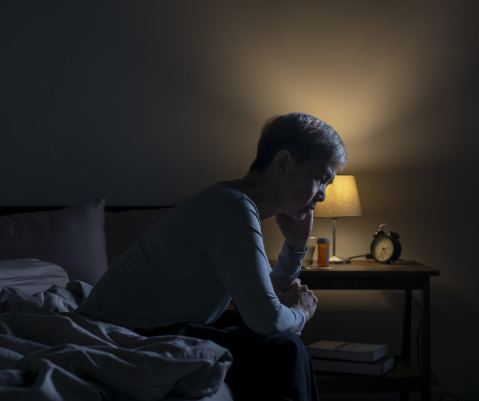
Racing thoughts at bedtime, frequent wake-ups, and morning exhaustion compound stress, anxiety, and depression.
Sleep challenges often have deeper roots in anxiety, trauma, or life transitions. As a psychotherapist, I understand that sustainable sleep improvement requires addressing both sleep hygiene and the underlying emotional patterns keeping your mind active at night.
We’ll explore what’s keeping you awake and develop strategies that promote better sleep and overall mental wellness.
Cognitive Behavioural Therapy for Insomnia
Women’s Health - Navigating Menopause
Cognitive Behavioural Therapy for Chronic Pain
Cognitive Behavioural Therapy for Insomnia (CBT-I)
CBT-I is the gold standard treatment for chronic insomnia, proven more effective than sleep medications for long-term results. This evidence-based approach addresses the thoughts, behaviors, and habits that perpetuate sleep problems.
Through CBT-I, we’ll identify and change negative thought patterns about sleep—like catastrophizing about sleeplessness or unrealistic sleep expectations. We’ll also restructure behaviors that interfere with quality rest, such as spending excessive time in bed, irregular sleep schedules, or using the bedroom for non-sleep activities.
Key techniques include sleep restriction therapy, stimulus control, and relaxation training. Most clients see significant improvement within 4-8 sessions, developing lasting skills to maintain healthy sleep patterns without ongoing medication dependence.

Women’s Health –
Navigating Menopause
Perimenopause brings significant sleep challenges as fluctuating hormones disrupt natural sleep patterns. Hot flashes, night sweats, and increased anxiety fragment sleep, while hormonal changes affect deep sleep stages.
This life transition often coincides with increased stress, caregiving responsibilities, and identity shifts that compound sleep difficulties. Many women experience racing thoughts and heightened worry that make quality sleep elusive.
Therapeutic support addresses both the emotional aspects of this transition and practical sleep strategies. We’ll explore coping techniques for managing symptoms and behavioral approaches that work alongside medical treatments to restore restorative sleep.